
Table of Contents
ToggleEsports coverage tips can transform amateur reporting into professional-grade content that attracts readers and builds credibility. The competitive gaming industry generated over $1.8 billion in revenue in 2024, and audiences expect sharp, informed journalism to match the scale of the scene. Whether someone covers League of Legends tournaments, Counter-Strike majors, or fighting game championships, the fundamentals of good esports reporting remain consistent. This guide breaks down the essential skills and strategies that separate average coverage from standout work.
Key Takeaways
- Deep game knowledge is the foundation of quality esports coverage—watch VODs, study patch notes, and learn meta shifts to analyze plays effectively.
- Building relationships with players, coaches, and team managers leads to exclusive interviews, breaking news, and insider analysis over time.
- Real-time reporting requires preparation, speed, and accuracy—always double-check facts before publishing during live events.
- Diversify your esports coverage with multimedia content like video essays, podcasts, and infographics to reach wider audiences.
- Stay current on industry trends including team acquisitions, streaming deals, and emerging games to provide valuable context in your reporting.
- Consistency and credibility matter more than viral moments—fair, accurate coverage builds long-term trust with sources and readers.
Understand the Games and Their Competitive Scenes
Strong esports coverage tips always start with deep game knowledge. A reporter can’t analyze a clutch play in Valorant without understanding agent abilities, map callouts, and team strategies. This goes beyond casual familiarity, it requires watching VODs, studying patch notes, and learning the meta shifts that shape professional play.
Each esports title has its own ecosystem. Dota 2 operates differently from Rocket League, both in gameplay mechanics and competitive structure. The International runs on a different format than the RLCS. Reporters who specialize in one or two games often produce better content than those who spread themselves thin across a dozen titles.
Here’s what effective game knowledge looks like in practice:
- Watch professional matches regularly, not just finals or highlight reels
- Follow team rosters and player histories to provide context in stories
- Read patch notes when updates drop, these often reshape competitive metas
- Join community Discord servers where fans discuss strategy and team news
Credibility builds quickly when readers notice a reporter understands the difference between a standard rotation and an innovative strategy. It builds even faster when that reporter can explain why a play mattered, not just what happened.
Build Relationships With Players and Teams
The best esports coverage tips emphasize source development. Breaking news, exclusive interviews, and insider analysis all depend on strong relationships within the scene. Players, coaches, team managers, and even casters can become valuable contacts over time.
Building these connections takes patience. Cold DMs on Twitter rarely work. Instead, reporters should attend events in person when possible, engage thoughtfully with players’ content, and deliver fair coverage that earns trust. A player who sees their words quoted accurately will be more likely to respond to future interview requests.
Some practical approaches include:
- Attend LAN events and press conferences to make face-to-face connections
- Be professional on social media, players notice who covers them fairly
- Honor off-the-record agreements without exception
- Follow up after interviews with a thank-you message
Relationships also help reporters avoid embarrassing mistakes. A source might tip off a journalist about a roster change before it becomes public, or correct a misunderstanding before an article goes live. These connections pay dividends over months and years of esports coverage.
One thing to avoid: burning bridges for short-term clicks. Publishing unverified rumors or sensationalizing drama might drive traffic briefly, but it damages a reporter’s reputation with the people who matter most.
Master the Art of Real-Time Reporting
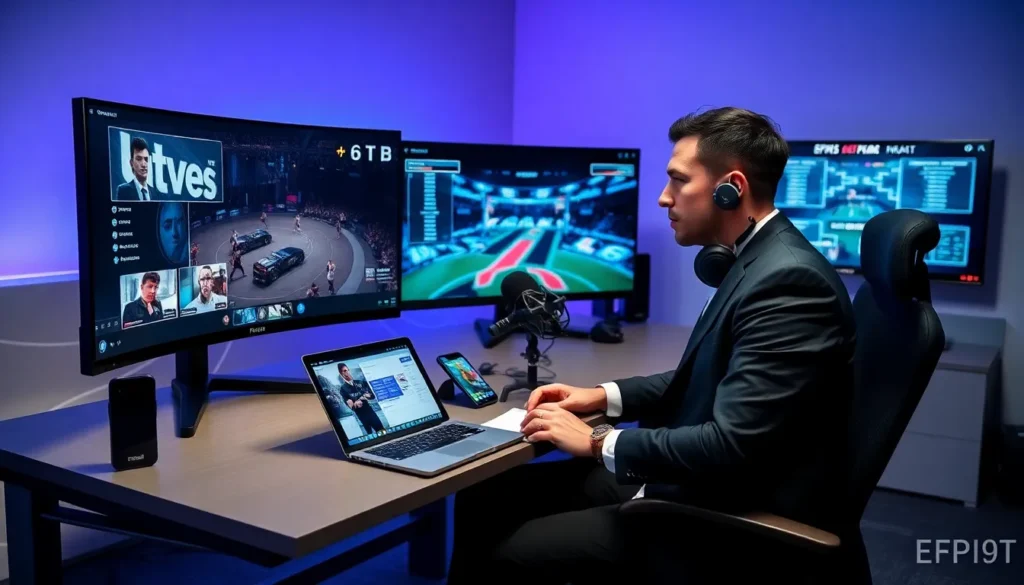
Live events define esports, and real-time reporting separates good journalists from great ones. Esports coverage tips for live situations focus on speed, accuracy, and the ability to capture moments as they happen.
Tournament broadcasts move fast. A reporter might need to tweet a breaking roster announcement, write a recap of an upset victory, and conduct a post-match interview within the same hour. This requires preparation: have stat sheets ready, know the bracket structure, and keep player names spelled correctly in notes.
Key skills for real-time esports coverage include:
- Live-tweeting with context, not just play-by-play
- Writing quick match recaps that capture the key turning points
- Grabbing quotes from post-match interviews and press conferences
- Fact-checking on the fly before hitting publish
Mistakes during live coverage spread fast. A wrong score or misattributed quote can circulate before corrections get posted. Double-checking takes seconds and prevents hours of cleanup.
Speed matters, but accuracy matters more. Readers forgive a slightly delayed report. They remember a factual error.
Create Engaging Multimedia Content
Written articles remain important, but modern esports coverage tips must address multimedia. Audiences consume content through YouTube videos, TikTok clips, podcasts, and infographics. Reporters who diversify their output reach wider audiences.
Video content performs especially well in esports. A breakdown of a professional team’s strategy with visual examples can attract viewers who might skip a 1,500-word written analysis. Short-form clips highlighting key moments travel further on social platforms than traditional articles.
Consider these multimedia formats:
- Video essays analyzing team strategies or player careers
- Podcasts featuring interviews or roundtable discussions
- Infographics displaying tournament brackets, player stats, or historical data
- Highlight compilations with commentary
Production quality doesn’t need to be perfect starting out. A clear microphone and basic editing skills can produce solid podcast episodes. Free tools like Canva work for creating shareable graphics. The key is consistency, publish regularly and improve over time.
Multimedia also opens additional revenue streams. YouTube ad revenue, podcast sponsorships, and Patreon memberships can supplement income from traditional journalism outlets.
Stay Updated on Industry Trends and News
Esports changes constantly. New games rise, established titles fade, and business models shift. Effective esports coverage tips require staying current on industry developments beyond individual matches.
Reporters should track:
- Team acquisitions and investor movements that signal industry direction
- Platform changes like new streaming deals or broadcast rights
- League format updates that affect competitive structures
- Emerging games that might become the next big esports title
News aggregators, industry newsletters, and social media lists help filter the noise. Following key journalists, analysts, and team executives on Twitter/X provides real-time updates. Subscribing to publications like Esports Insider or The Esports Observer offers deeper business coverage.
Understanding the business side strengthens reporting. A roster change makes more sense when readers know the team recently lost a major sponsor. A league’s format update becomes clearer when framed against declining viewership numbers.
This broader perspective also generates story ideas. Trends emerge before they become obvious, reporters who spot them early produce the most valuable coverage.


