
Table of Contents
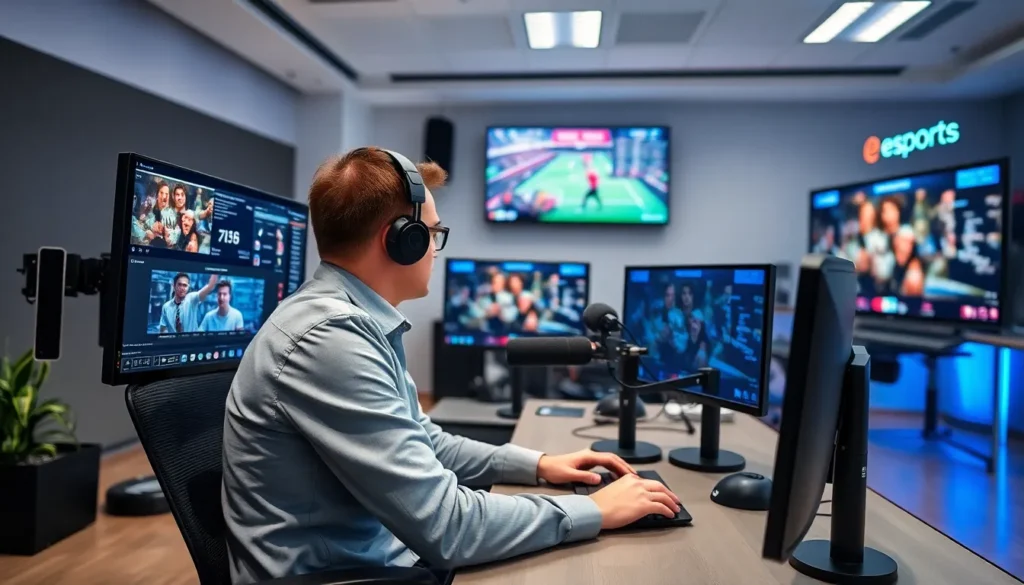
ToggleEsports coverage ideas can make or break audience engagement. The competitive gaming industry continues to grow, with millions of viewers tuning in to tournaments and leagues worldwide. But here’s the thing: standard match recaps don’t cut it anymore. Audiences want deeper connections to players, teams, and the games they love. This article explores proven esports coverage ideas that capture attention and build loyal followings. From behind-the-scenes access to real-time updates, these strategies help content creators stand out in a crowded market.
Key Takeaways
- Esports coverage ideas like behind-the-scenes content and player profiles build emotional connections that standard match recaps cannot achieve.
- Live event coverage with real-time social media updates earns audience trust and drives repeat engagement during tournaments.
- In-depth match analysis and expert commentary attract serious fans who want to understand competitive gaming at a deeper level.
- Community-focused content—including fan spotlights and amateur league coverage—serves underserved audiences and strengthens loyalty.
- Interactive content like polls and prediction games transforms passive viewers into active participants who feel invested in outcomes.
- Multi-platform distribution ensures your esports coverage reaches different audience segments with tailored formats and tones.
Behind-the-Scenes Content and Player Profiles
Behind-the-scenes content gives audiences something they can’t get from watching matches alone. Fans want to know what happens before players step onto the stage. They want to see practice routines, team houses, and the personalities behind the gamertags.
Player Profiles That Connect
Player profiles rank among the most effective esports coverage ideas for building emotional investment. A well-crafted profile goes beyond statistics. It tells stories about a player’s journey, their struggles, and what drives them to compete.
Consider documenting:
- Early gaming memories and how players discovered competitive gaming
- Training schedules and daily routines
- Relationships with teammates and coaches
- Goals for upcoming tournaments
These profiles humanize players and give casual viewers reasons to root for specific competitors.
Team House Tours and Practice Sessions
Team house content performs well across platforms. Short videos showing where players live, eat, and practice create intimacy with audiences. Practice session footage reveals strategies and team dynamics that dedicated fans appreciate.
This type of esports coverage builds anticipation before major events. When viewers feel connected to players, they’re more likely to watch matches and share content with friends.
Live Event Coverage and Real-Time Updates
Live event coverage remains essential to any esports coverage strategy. Audiences expect immediate access to information during tournaments. Those who deliver fast, accurate updates earn trust and repeat visitors.
Social Media Updates During Matches
Platforms like X (formerly Twitter) and Discord allow instant communication with audiences. Effective live coverage includes:
- Score updates after each game or round
- Key plays and highlight moments
- Roster changes or technical delays
- Reactions from analysts and other players
Speed matters here. The first accounts to post updates often capture the most engagement. Develop templates and workflows that allow rapid posting without sacrificing accuracy.
On-Site Reporting
Physical presence at events opens doors to exclusive esports coverage ideas. Reporters can capture crowd reactions, interview players after matches, and document moments cameras miss. This content feels immediate and authentic.
Live streams from venue floors give remote audiences a taste of the atmosphere. Even simple phone recordings showing crowd energy during clutch plays can generate strong engagement.
Multi-Platform Distribution
Different audiences prefer different platforms. Smart esports coverage spreads updates across multiple channels simultaneously. A dedicated team member can manage each platform, adjusting tone and format to match audience expectations.
In-Depth Match Analysis and Commentary
Analysis content attracts serious fans who want to understand games at a deeper level. This category of esports coverage ideas requires game knowledge but rewards creators with highly engaged audiences.
Post-Match Breakdowns
Detailed match analysis examines what happened and why. Good breakdowns include:
- Key decisions that shifted momentum
- Draft or pick/ban phase strategies
- Individual player performances
- Tactical adjustments between games
Video formats work well for analysis because creators can highlight specific moments with visual aids. Written analysis appeals to readers who prefer consuming content at their own pace.
Prediction Content
Pre-match predictions generate discussion and engagement. Audiences enjoy comparing their own predictions against expert opinions. This esports coverage format creates natural follow-up content when predictions prove right or wrong.
Bracket predictions before major tournaments drive significant traffic. Creators can update predictions as events progress, keeping audiences returning for fresh takes.
Expert Commentary Partnerships
Partnering with former players or coaches adds credibility to analysis content. These experts bring perspectives that casual observers miss. Their insights elevate esports coverage from surface-level to genuinely informative.
Community Stories and Fan Engagement
The best esports coverage ideas recognize that competitive gaming extends beyond professional players. Communities form around games, and these communities create stories worth telling.
Fan Spotlights
Dedicated fans often have compelling stories. Some travel internationally to attend events. Others build collections of team merchandise spanning years. Highlighting these fans celebrates the community and encourages others to share their experiences.
Amateur and Semi-Pro Coverage
Not all esports coverage needs to focus on top-tier competition. Amateur leagues and collegiate teams have passionate followings. Covering these scenes serves underserved audiences and identifies rising talent before they reach major leagues.
Local tournament coverage builds community connections. Players at grassroots events often become loyal followers when someone documents their competitive experiences.
Interactive Content
Polls, Q&A sessions, and prediction games turn passive readers into active participants. This esports coverage approach transforms one-way content into conversations. Audiences who participate feel invested in outcomes.
User-generated content campaigns encourage fans to share their own perspectives. Featuring the best submissions creates a feedback loop that sustains engagement between major events.


