
Table of Contents
ToggleEsports coverage examples show how far competitive gaming has come as a media phenomenon. Major outlets now treat esports with the same attention they give traditional sports. From live broadcasts to in-depth player profiles, the industry has developed distinct formats for reaching millions of fans worldwide.
This article breaks down the main types of esports coverage that media outlets use today. Whether it’s a high-stakes League of Legends final or breaking news about a team roster change, each format serves a specific purpose. Understanding these esports coverage examples helps fans, journalists, and industry professionals see how competitive gaming gets its message across.
Key Takeaways
- Esports coverage examples now include live tournament broadcasting, news and editorial content, player features, and social media engagement—each serving distinct audience needs.
- Live broadcasts have reached traditional sports-level production quality, with the 2024 League of Legends World Championship attracting over 6 million peak concurrent viewers.
- Dedicated esports outlets and mainstream media like ESPN and BBC now employ esports reporters, bringing competitive gaming coverage to broader audiences.
- Documentary-style features and player profiles humanize competitors, building emotional connections that transform screen names into relatable figures.
- Social media platforms like Twitter, Reddit, and Discord serve as primary distribution channels where real-time updates and visual content drive fan engagement.
- Understanding these esports coverage examples helps fans, journalists, and industry professionals recognize how competitive gaming effectively reaches global audiences.
Live Tournament Broadcasting
Live tournament broadcasting represents the most visible form of esports coverage. Platforms like Twitch, YouTube Gaming, and traditional TV networks now stream major competitions to global audiences.
The 2024 League of Legends World Championship drew over 6 million peak concurrent viewers. ESPN, BBC, and regional sports networks have all invested in esports broadcast rights. These numbers rival many traditional sporting events.
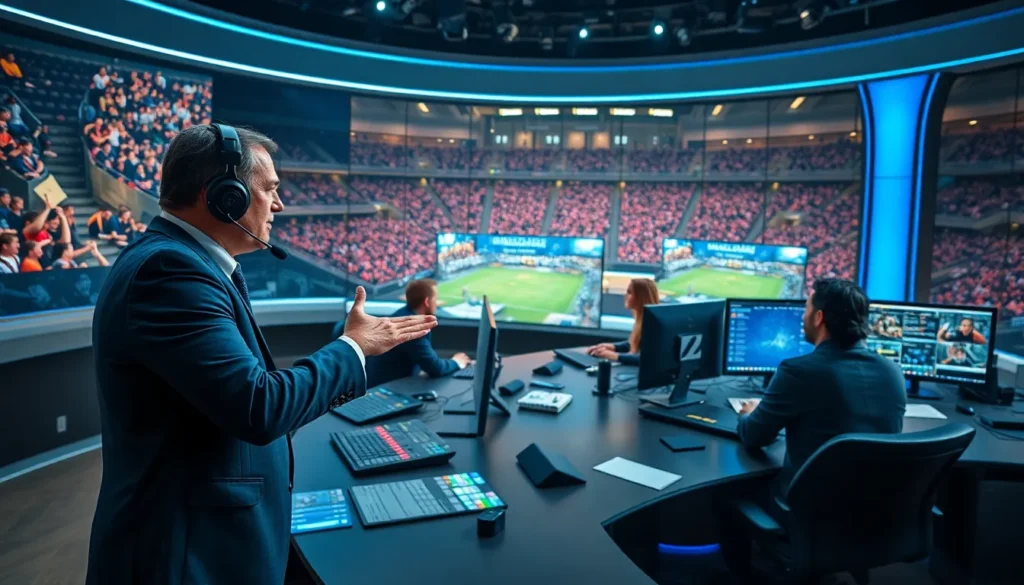
Broadcast teams typically include play-by-play casters, color commentators, and analysts. They explain strategies, highlight key plays, and build excitement during matches. Production quality has improved dramatically, modern esports broadcasts feature instant replays, player cameras, and real-time statistics.
Esports coverage examples in broadcasting also include pre-show content and post-match analysis. Desk segments break down team strategies before games begin. After matches end, analysts discuss pivotal moments and predict future outcomes.
Some outlets have created dedicated esports channels. Riot Games operates its own broadcast infrastructure for League of Legends and Valorant events. Meanwhile, third-party organizers like ESL and BLAST produce coverage for Counter-Strike and Dota 2 tournaments.
The broadcast format continues to evolve. Watch parties, co-streaming options, and interactive features let fans customize their viewing experience. These innovations keep esports coverage fresh and engaging for diverse audiences.
News and Editorial Coverage
News coverage forms the backbone of esports journalism. Dedicated outlets like Dexerto, Dot Esports, and TheScore Esports publish daily updates on tournaments, roster moves, and industry developments.
Breaking news drives significant traffic in esports media. When a star player announces a team change or a major tournament reveals its format, these stories spread quickly across social platforms. Speed matters, outlets compete to publish first while maintaining accuracy.
Editorial content adds depth to esports coverage examples. Opinion pieces analyze controversial decisions by tournament organizers. Investigative journalism has exposed match-fixing scandals and workplace issues within esports organizations. These stories demonstrate that esports journalism follows the same ethical standards as traditional sports media.
Game-specific coverage attracts dedicated readerships. Fans of Valorant may follow different outlets than Counter-Strike enthusiasts. Smart publishers create vertical content strategies that target specific gaming communities.
Mainstream outlets have also entered the space. The Washington Post, ESPN, and BBC Sport now employ esports reporters. Their coverage introduces competitive gaming to broader audiences who might not visit specialized esports websites.
Analysis pieces predict meta shifts, evaluate team performances, and rank players across different titles. This content helps fans understand the competitive landscape and sparks discussion within gaming communities.
Player and Team Features
Feature stories humanize esports competitors. These esports coverage examples go beyond statistics to explore the people behind the usernames.
Documentary-style content has become increasingly popular. Series like “True Sight” from Valve follow Dota 2 teams through major tournaments. Team Liquid’s “Squad” offers behind-the-scenes access to professional players. These productions give fans intimate looks at practice routines, team dynamics, and personal struggles.
Profile pieces focus on individual players. They cover career trajectories, training habits, and life outside competition. A strong profile makes readers care about a player’s success or failure before they even watch a match.
Team features explore organizational culture and strategy. How does a championship roster stay motivated? What happens when a team faces a losing streak? These stories reveal the human elements that raw match results can’t capture.
Video content dominates this category. YouTube channels from teams and media outlets produce vlogs, training day videos, and player interviews. The format works well because fans want to see their favorite competitors speak directly.
Esports coverage examples in this genre also include retirement stories and comeback narratives. When a legendary player steps away from competition, outlets produce retrospectives on their career. When someone returns after a break, the storyline writes itself.
These features build emotional connections between fans and competitors. They transform anonymous screen names into relatable figures with distinct personalities.
Social Media and Community Engagement
Social media platforms serve as primary distribution channels for esports coverage. Twitter (now X), Reddit, and Discord communities shape how fans consume competitive gaming content.
Real-time updates during tournaments flow through social feeds. Clip highlights, live scores, and instant reactions create a shared viewing experience. Outlets post dozens of times during major events to capture audience attention.
Reddit communities like r/leagueoflegends and r/GlobalOffensive function as discussion hubs. They aggregate news, highlight standout moments, and host AMAs with players and industry figures. Smart media outlets track these communities to identify trending topics.
Discord servers offer direct access to fans. Teams and media organizations run their own servers where supporters discuss matches and interact with staff. This engagement model builds loyalty and provides feedback loops for content creators.
Esports coverage examples on social media emphasize visual content. Short clips, infographics, and meme-worthy moments perform better than text-only posts. Outlets invest in social-first content that spreads organically.
Influencer partnerships extend reach beyond traditional media channels. Streamers and content creators discuss news and react to events for their audiences. This word-of-mouth coverage often reaches fans who don’t follow dedicated esports outlets.
The community-driven nature of esports makes social engagement essential. Fans expect interaction, not just information delivery.


