
Table of Contents
ToggleEsports coverage trends 2026 will reshape how millions of fans watch competitive gaming. The industry continues its rapid growth, with global revenues projected to surpass $2 billion by mid-decade. Broadcasters, streaming platforms, and game publishers are investing heavily in new technologies and distribution methods.
This shift matters because esports audiences expect more than passive viewing. They want interaction, personalization, and production quality that matches traditional sports. The changes coming in 2026 reflect these demands. From AI-driven broadcasts to mobile-first content strategies, esports coverage is entering a new phase of innovation and mainstream acceptance.
Key Takeaways
- Esports coverage trends 2026 will be driven by AI-powered production, including automated cameras, real-time commentary assistance, and near-instant language translation for global audiences.
- Mobile-first strategies dominate esports broadcasting, with vertical video formats and short-form clips optimized for TikTok, Reels, and Shorts to reach casual viewers.
- Personalized viewing experiences let fans choose camera perspectives, audio options, and synchronized watch parties for a more engaging broadcast.
- Traditional sports networks and franchises are investing heavily in esports, bringing professional production standards and mainstream legitimacy to competitive gaming.
- Interactive features like prediction markets, live polls, and fantasy elements keep viewers actively engaged and increase watch time during tournaments.
- The global esports industry is projected to surpass $2 billion in revenue by mid-decade, attracting major advertisers targeting the 18-34 demographic.
The Rise of AI-Powered Production and Commentary
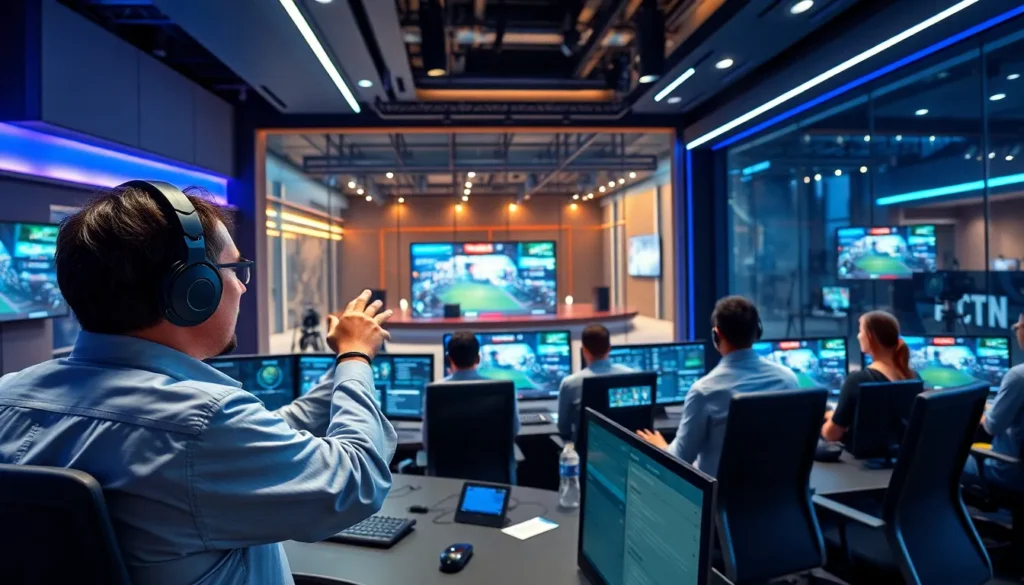
AI technology is transforming esports coverage trends 2026 in significant ways. Automated camera systems now track player movements and highlight key moments without human intervention. These tools reduce production costs while maintaining broadcast quality.
Several major tournament organizers have adopted AI-assisted commentary. The technology generates real-time statistics, player histories, and match predictions. Human commentators receive this information through earpieces, making their analysis sharper and more data-driven.
AI also handles language translation for international broadcasts. A Korean League of Legends match can now reach English, Spanish, and Portuguese audiences simultaneously. The translation happens in near real-time, with voice synthesis that sounds natural.
Production teams use machine learning to create instant replay packages. The AI identifies clutch plays, team fights, and impressive individual performances within seconds. This speed allows broadcasts to show highlights while viewer interest remains high.
Some platforms experiment with fully AI-generated commentary for smaller tournaments. While purists prefer human casters, these automated options make coverage possible for events that would otherwise go unbroadcast. The technology fills gaps in the esports coverage landscape without replacing top-tier talent.
Expanding Mobile Esports Broadcasting
Mobile gaming dominates the global market, and esports coverage trends 2026 reflect this reality. Games like Mobile Legends, Free Fire, and PUBG Mobile attract hundreds of millions of players worldwide. Broadcasters are adapting their strategies accordingly.
Vertical video formats have become standard for mobile esports streams. Viewers watch on their phones during commutes, lunch breaks, and downtime. The portrait orientation fits these use cases better than traditional landscape broadcasts.
Short-form content drives engagement between matches. Platforms create 60-second highlight clips optimized for TikTok, Instagram Reels, and YouTube Shorts. These snippets introduce casual viewers to competitive mobile gaming and funnel them toward full broadcasts.
Regional focus shapes mobile esports coverage significantly. Southeast Asian tournaments receive premium production treatment because the audience is massive and growing. Latin American mobile esports have also seen increased investment from broadcasters seeking new markets.
Interactive features work particularly well on mobile. Viewers tap to vote on MVP awards, predict match outcomes, and participate in live polls. These engagement tools keep audiences active rather than passive. The data collected also helps broadcasters understand their viewers better.
Mobile esports coverage often includes in-app integration. Fans can watch tournaments directly within the game client, then jump into a match themselves when inspired. This seamless connection between viewing and playing strengthens community bonds.
Interactive and Personalized Viewing Experiences
Personalization defines many esports coverage trends 2026. Viewers no longer accept one-size-fits-all broadcasts. They want control over what they see and hear.
Multi-stream options let fans choose their perspective. They can follow a favorite player’s point of view, watch the main broadcast, or monitor the map overview. Switching between views happens instantly through platform interfaces.
Audio customization has expanded dramatically. Viewers select their preferred commentary team from multiple language options. Some choose to hear only game sounds without commentary. Others prefer statistical overlays with minimal narration.
Watch parties integrate directly into streaming platforms. Groups of friends synchronize their viewing experience and communicate through voice chat. The social element recreates the feeling of watching esports together in person.
Prediction markets and fantasy elements add stakes to viewing. Platforms reward accurate predictions with points, badges, or small prizes. These systems increase attention during matches because viewers have something riding on the outcome.
AI-driven recommendations suggest which matches to watch based on viewing history. If someone frequently watches Valorant content, the algorithm surfaces upcoming Valorant tournaments. This personalization helps fans discover events they might otherwise miss.
Second-screen experiences complement main broadcasts. Companion apps display detailed statistics, player builds, and live chat. Hardcore fans track these data streams while watching the primary action on a larger screen.
Mainstream Media Integration and Traditional Sports Partnerships
Esports coverage trends 2026 show increased collaboration between gaming and traditional media. Major networks now dedicate programming blocks to competitive gaming content. ESPN, Sky Sports, and regional broadcasters treat esports as a legitimate category.
Traditional sports franchises own esports teams across multiple titles. The Dallas Cowboys, Paris Saint-Germain, and Manchester City operate competitive gaming rosters. These partnerships bring professional sports production standards to esports broadcasts.
Cross-promotion benefits both industries. NBA 2K League broadcasts air during halftime of actual basketball games. Formula 1 promotes its esports series alongside real racing coverage. The lines between physical and virtual competition continue to blur.
Advertisers have followed audiences to esports. Brands that once hesitated now sponsor tournaments and teams confidently. The demographic appeal of 18-34 year old viewers makes esports coverage attractive for marketing budgets.
Documentary content bridges gaming and mainstream entertainment. Streaming services produce series about esports organizations, player journeys, and tournament drama. These shows introduce non-gamers to competitive gaming culture.
Venue partnerships create hybrid events. Traditional sports arenas host esports finals, complete with professional lighting, sound, and crowd management. The production quality matches what fans expect from championship events in any sport.
Broadcast talent increasingly moves between esports and traditional sports. Commentators build careers covering both types of competition. This crossover legitimizes esports while bringing fresh perspectives to gaming broadcasts.


